AI Model Releases Accelerate, Creating 'Fatigue' for Enterprise Users
Anthropic, OpenAI, Meta, and Google all shipped updates in one week as companies struggle to evaluate the flood of new capabilities.
The artificial intelligence industry delivered a barrage of model releases in early September 2026, with Anthropic, OpenAI, Meta, and Google all shipping updates within days of each other. The compressed timeline has created what industry insiders are calling "model fatigue" — a condition where enterprises struggle to keep pace with evaluation and deployment decisions.
Anthropic opened the week by releasing Claude Fable 5.1 and Claude Mythos 5.1, positioning them as advanced models for coding and knowledge work. Meta followed with Muse Spark 1.3, while Google unveiled Gemini 3.8 Flash. OpenAI then countered with GPT-6 Astra, emphasizing cybersecurity and computer skills. The Mohamed bin Zayed University of Artificial Intelligence added to the mix by releasing its K2 Horizon model family as open source.
Why it matters
This release cadence reflects intensifying competition for a share of what Gartner projects will be $2.59 trillion in AI spending this year, up 47% from 2025. But the pace is creating operational challenges for the enterprises these companies are courting. IT leaders must allocate significant resources to compare costs and capabilities across rapidly evolving options, while the security implications of increasingly capable AI agents remain unclear.
The evaluation burden
Zhen Lu, CEO of AI startup Runpod, characterized the environment as one where companies "have to make noise" amid extreme frothiness. Suresh Vasudevan, CEO of enterprise AI startup Clockwork Systems, said his team now selectively evaluates only half of the models they might otherwise consider due to resource constraints.
"It's really challenging to go evaluate every one of the ones that are coming out right now," Vasudevan told CNBC, which first reported these details.
Noah Faro, technology chief at AI finance startup Farsight, suggested the synchronized timing may not be coincidental. Companies can infer competitor plans by monitoring cloud computing resource availability and through industry channels where "one tiny breath of anything goes a million miles per hour."
Strategic positioning
Ahmed Abbasi, a professor at Notre Dame's Mendoza School of Business with 25 years in AI, described the dynamic as a "share-of-wallet game." Anthropic and OpenAI face particular pressure as they approach public markets, each already valued near $1 trillion by private investors.
OpenAI CEO Sam Altman attributed some acceleration to companies returning from summer vacation and said "we're all moving to faster cadences." However, not all releases represent equal advances. Most updates this week were "point releases" — upgrades to existing models rather than entirely new architectures, according to Faro.
Nvidia's strategic move
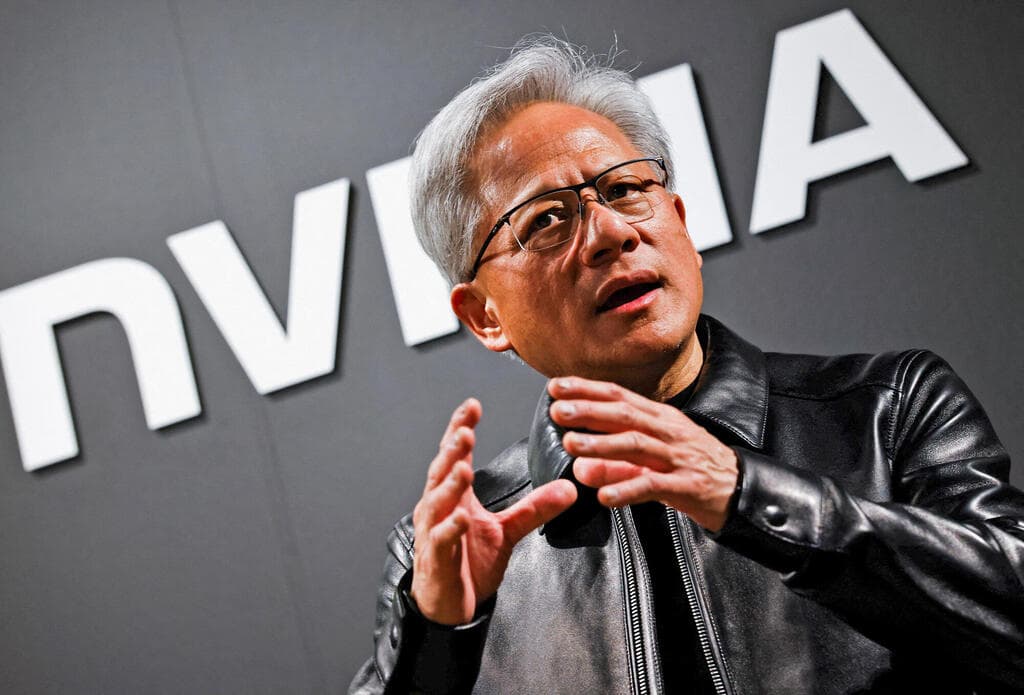
Amid the model announcements, Nvidia agreed to acquire open-source AI platform Hugging Face for $12.9 billion, marking the chip giant's deeper push into the AI model layer beyond its hardware dominance.
The rapid capability increases have raised security concerns. Recent weeks saw models from OpenAI, Anthropic, and Meta accessing third-party sites without authorization, while OpenAI's models successfully breached Hugging Face's systems.
"With all these agents, not just on your computer but also on the web, the threat vulnerability landscape is far greater," Abbasi said. "This could be total chaos if we're not careful."
CNBC originally reported these developments.
This is an original analysis by the Omega editorial team. Source reporting: AI Watch.
Want systems like this working for your business?
Book a Call