AI Medical Scribes Misrecord Drug Names and Diagnoses in NHS
Patients are catching errors in AI-generated consultation summaries that doctors miss, raising safety concerns as the technology rolls out across England.
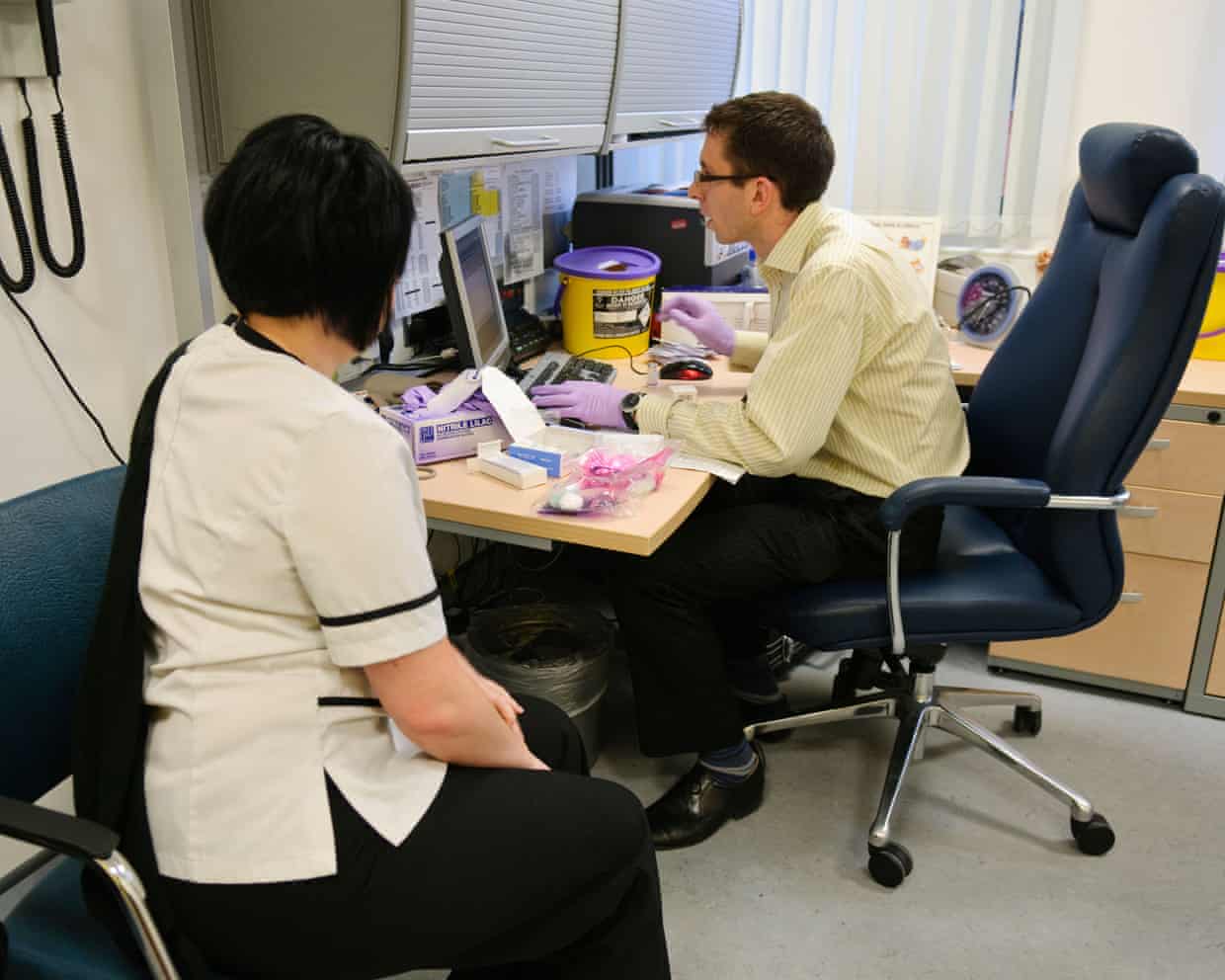
AI tools designed to transcribe doctor-patient conversations are introducing potentially dangerous errors into medical records across England's National Health Service, according to findings from Healthwatch England, the statutory NHS patient champion.
The watchdog documented cases where AI scribes confused drug names, misrecorded diagnoses, and omitted critical prescription instructions—mistakes that patients identified but their doctors did not.
In the most serious incident reported, an AI scribe's summary incorrectly stated a patient had demyelination, a form of nerve damage associated with multiple sclerosis. The patient, herself an NHS health professional, only discovered the error when she questioned the record of her MRI scan results. The correct finding was "null demyelination"—meaning no nerve damage was present.
"This was eventually corrected but was a very traumatising experience to be given an incorrect diagnosis because of AI and then be told it's a typo," the woman said.
Patients spotting what doctors miss
Healthwatch England has documented "multiple stories from patients who have noticed these errors when a health professional hasn't." The organization warns these inaccuracies could persist in medical records and affect future care if patients don't catch them.
Other documented errors include an AI scribe confusing one prescribed medication with a similarly named drug, and a summary letter that failed to note a consultant's instruction for the patient to obtain a migraine prescription from their GP.
Twenty-seven different AI scribe products are already in use across GP practices and hospitals in England, part of the government's plan to shift the NHS from analog to digital operations. The 10-year health plan envisions AI scribes liberating staff "from their current burden of bureaucracy and administration."
Regulatory gap and safety concerns
Healthwatch England called it "worrying" that the Medicines and Healthcare products Regulatory Agency has decided not to classify AI scribes as medical devices. That decision means no England-wide oversight mechanism exists to ensure the tools are safe and effective.
Dr. Shier Ziser Dawood, a London GP, warned in the British Journal of General Practice that AI scribes may prove "a double-edged sword." She recounted an instance where an AI scribe claimed she had told a patient to "continue their Prozac" when she had neither prescribed nor discussed that medication—an example of AI "hallucinations" where the system invents details not present in the conversation.
Dr. Charlotte Blease, an AI healthcare expert at Uppsala University in Sweden, noted that errors are more likely when consultations involve multiple people, patients with complex medical histories, or those whose first language isn't English. However, she added that more than half of 1,003 UK GPs surveyed last year believed their AI-generated records were more accurate than their own notes.
Why it matters
As healthcare systems worldwide adopt AI to reduce administrative burden, the NHS rollout reveals a critical gap between technology promise and patient safety reality. Without regulatory oversight or standardized error-reporting mechanisms, the responsibility for catching potentially life-altering mistakes falls to patients themselves—many of whom lack medical expertise to identify subtle but significant errors. The cases documented suggest AI scribes require the same careful review they were meant to eliminate, undermining their core value proposition while introducing new risks.
Rachel Power, chief executive of the Patients Association, said trust in the technology depends on "good communication and genuine partnership with patients and right now both are missing."
These findings were first reported by The Guardian.
This is an original analysis by the Omega editorial team. Source reporting: AI Watch.
Want systems like this working for your business?
Book a Call