AI Giants Pour $150M Into 2026 Midterms Through Super PAC Networks
Anthropic, Meta, and OpenAI executives are funding rival political operations as regulatory battles intensify at state and federal levels.
The artificial intelligence industry is deploying unprecedented political firepower ahead of the 2026 midterm elections, with competing networks of super PACs backed by major AI companies spending heavily to shape Congress and state legislatures.
More than $65 million has already been spent by these groups, with tens of millions more in reserve. The full scope remains unclear due to "dark money" organizations that aren't required to regularly disclose expenditures, according to a report first published by Business Insider.
Two rival camps emerge
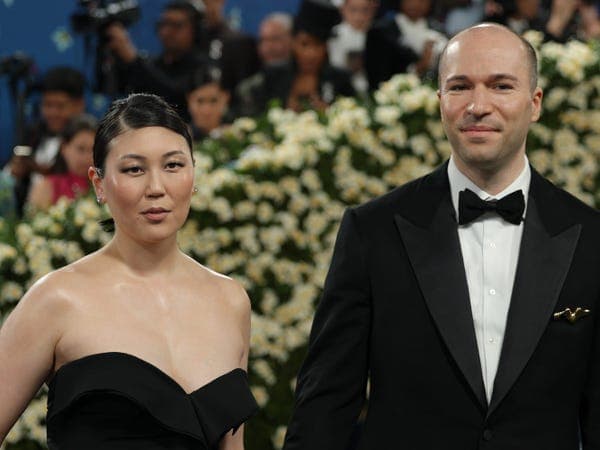
The largest player is Leading the Future, a pro-AI network that has raised just under $76 million as of late June. OpenAI President Greg Brockman and his wife Anna contributed $25 million, while Andreessen Horowitz put in $50 million. The network operates two affiliated super PACs: Think Big for Democratic races and American Mission for Republican contests.
Leading the Future has distributed $20 million to each partisan arm and retains more than $31 million in reserve. Think Big has spent over $18 million so far, including $8 million opposing New York Assemblyman Alex Bores, who advocated for stronger AI regulations during a congressional primary he ultimately lost.
On the opposing side, Public First Action was formed by former Republican Congressman Chris Stewart and former Democratic Congressman Brad Carson to back candidates supporting AI regulation. The umbrella organization has raised $80 million, with Anthropic contributing $40 million—double its initial February donation.
Anthropic CEO Dario Amodei personally donated $1 million to Public First, one of the network's three super PACs. The group's Jobs and Democracy PAC spent just under $20 million, with more than $15 million supporting Bores despite his loss.
Meta targets state legislatures
Meta has established separate groups focused primarily on state-level races. The company gave $20 million to Mobilizing Economic Transformation Across California, which has spent over $4.3 million, including $1.3 million backing Democrat Scott Sakakihara's state Senate campaign in Silicon Valley.
A separate Meta-funded organization, the American Technology Excellence Project, received $45 million and operates through state-level super PACs called Forge the Future (Republican) and Making Our Tomorrow (Democratic). These groups have spent over $2 million combined in Illinois and Texas.
Why it matters
The massive spending reflects deepening anxiety within the AI industry as public sentiment turns negative and states consider data center moratoriums. With the Trump administration recently slowing releases of frontier models from Anthropic and OpenAI, companies are racing to install friendly lawmakers before a potential regulatory crackdown. The battle is playing out not just in Congress but in state capitals, where a patchwork of conflicting rules could emerge—making these midterms a pivotal moment for determining who writes the rules governing AI development.
These details were first reported by Business Insider.
This is an original analysis by the Omega editorial team. Source reporting: AI Watch.
Want systems like this working for your business?
Book a Call
