AI-Generated Videos Exploit Down Syndrome to Drive Sales
Fake accounts use synthetic characters claiming disability to sell products, crowding out legitimate creators and reinforcing harmful stereotypes.
Synthetic exploitation on social platforms
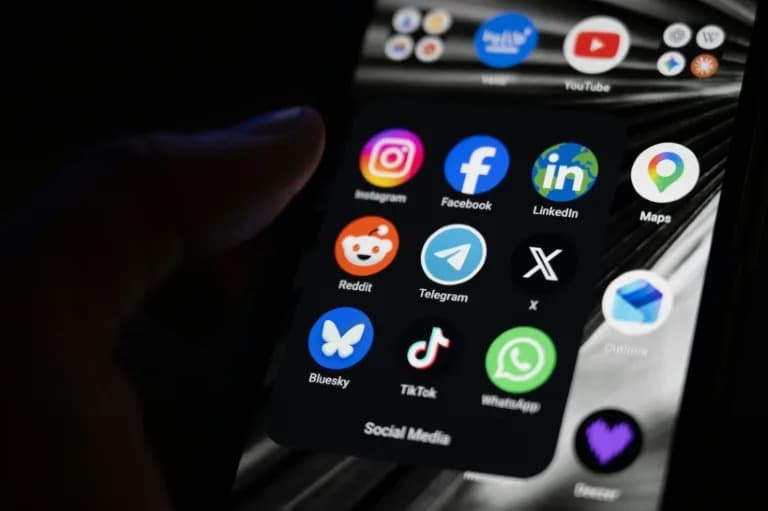
A wave of AI-generated videos depicting people with Down syndrome is flooding TikTok, YouTube, and Instagram, falsely claiming the characters face bullying while selling handmade crafts. The synthetic personas hawk resin lamps, crochet bags, and pottery, accumulating millions of views while linking to suspicious storefronts.
The accounts follow a consistent pattern: AI-generated characters claim they're being harassed for selling their products, with fake insults using disparaging language about disabilities displayed in the background. The tactic aims to trigger sympathy purchases from viewers who believe they're supporting struggling artisans.
Investigation by AFP revealed that some products featured in these videos were stolen from legitimate creators' content, while others appear to be dropshipped items available on mass-market sites like Shein—not handmade goods at all. One storefront linked from these accounts displayed multiple five-star reviews containing identical placeholder text.
Why it matters
This exploitation extends beyond simple fraud. The videos actively harm real entrepreneurs with Down syndrome by siphoning potential customers and reinforcing the damaging narrative that people with the condition require pity rather than recognition as capable business owners. The practice also erodes trust in authentic disability advocacy content across social platforms.
Pattern of synthetic exploitation
Nathan Rowe, program director at Down Syndrome International, told AFP the videos exploit paternalistic attitudes. "They're preying on people who have maybe a bit sympathetic, slightly paternalistic view of Down syndrome," he explained. The content "crowd-out" posts from actual entrepreneurs with Down syndrome, potentially diverting business away from legitimate creators.
"There's lots of really talented people with Down syndrome out there who are making things, but it kind of reinforces the narrative that people with Down syndrome can't and it must be AI," Rowe said.
This represents the latest iteration of a broader trend. The same accounts have deployed elderly synthetic characters to sell identical products, and AFP previously documented a multilingual scheme stealing seniors' identities to promote slippers and dog collars through sympathy-driven marketing.
Platform response falls short
Down Syndrome International previously complained to Meta about sexualized deepfakes of people with Down syndrome, resulting in removal of many videos. However, Rowe argues social media companies need proactive prevention rather than reactive removal.
While TikTok and YouTube maintain policies banning deceptive activity and discrimination, enforcement remains inconsistent. AFP found many examined videos were no longer live, but new accounts continue sharing similar AI-generated content.
Jeremy Carassco, co-founder of AI research firm Riddance, attributes the proliferation to ease of creation and difficulty of tracking. "There's a lot of system-wide failures that are compounding to make this worse," he said, noting the sheer volume indicates the scheme generates profit.
"It feels like we're hitting kind of the bottom of what is permissible, and if they keep going further, I think something's going to happen," Carassco added.
These details were first reported by AFP.
This is an original analysis by the Omega editorial team. Source reporting: AI Watch.
Want systems like this working for your business?
Book a Call