AI-Generated Health Gurus Flood Meta Platforms With Fake Medical Advice
Hundreds of synthetic doctor avatars and wellness influencers are selling dubious supplements through misleading ads that evade broadcast regulations.
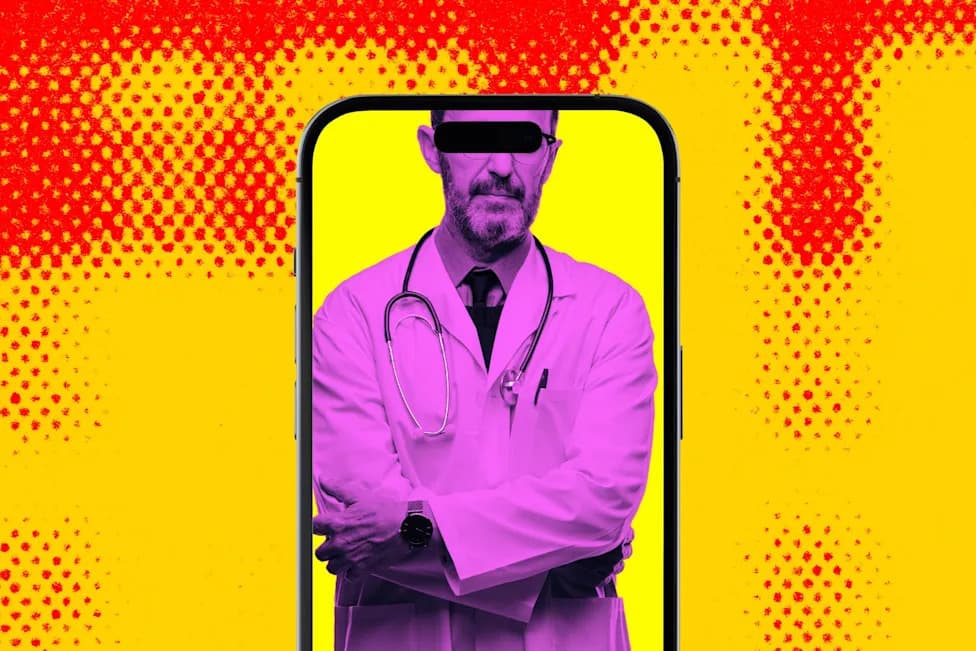
Synthetic physicians selling snake oil
Facebook and Instagram have become distribution channels for AI-generated health content that would be illegal on traditional broadcast media. Hundreds of synthetic avatars posing as doctors, medical experts, and wellness gurus are promoting supplements with unverified health claims, according to a New York Times investigation.
The fabricated videos follow predictable patterns. AI-generated doctors appear in offices displaying fake diplomas—one bearing the text "University of Degree." Other avatars present themselves as enthusiastic consumers filming testimonials in parking lots or bedrooms, mimicking authentic influencer content. Many videos prominently feature American flags or suburban settings to establish credibility with U.S. audiences.
"In Chinese medicine, we have known exactly how to bring this down for generations," claims one AI-generated character dressed in a lab coat, exemplifying the misleading authority these videos project.
Dangerous claims with real consequences
The medical assertions in these ads range from misleading to outright dangerous. One campaign for a product called Sculptique claims its herbal supplement treats kidney disease more effectively than prescription medication. The company presented an AI-generated video purporting to show 100 stage-three kidney disease patients celebrating with supplement bottles in a warehouse—a fabricated testimonial from start to finish.
The real-world impact extends beyond deception. Pamela Wundrow, 71, purchased a moringa supplement from a company called Rosabella after seeing Facebook ads featuring these AI avatars. She took the pills daily for months before federal regulators issued a recall due to salmonella contamination. While Wundrow avoided salmonella symptoms, she reported her health deteriorated during the period she used the supplement.
"They're targeting us people that have health issues," Wundrow told the Times.
Industrial-scale production from overseas
One Chinese company identified by the Times produces 1,200 AI videos daily at $10 per video, specifically designing content to appear American for platforms like TikTok. The company's head of AI marketing, Vivi Yi, acknowledged using euphemistic language for health products—substituting "weight management" for direct weight-loss claims to navigate platform policies.
Why it matters
The regulatory gap between broadcast media and social platforms creates an enforcement vacuum that AI content exploits at scale. While these ads would violate Federal Trade Commission rules on television, social media's looser oversight allows synthetic health misinformation to reach vulnerable populations—particularly older users who struggle to distinguish AI-generated content from authentic sources. The economics are compelling for bad actors: industrial-scale production at minimal cost targeting users with chronic health conditions.
Platform responses fall short
Meta claims it labels AI-generated content, and TikTok reports banning accounts making misleading health claims. Yet the Times found clearly synthetic health videos still active on both platforms, which were only removed after the publication inquired about them.
The detection challenge is compounded by user perception. When shown an AI-generated video of an elderly woman promoting supplements, Wundrow—who had been deceived by similar content—said, "To me this does not look like an AI."
These details were first reported by The New York Times.
This is an original analysis by the Omega editorial team. Source reporting: AI Watch.
Want systems like this working for your business?
Book a Call
