AI Diagnostics Are Sidelining Bedside Medicine, Clinicians Warn
Patient history alone drives 70-80% of diagnoses, yet physicians now spend a median of just 2.5 minutes daily at the bedside.
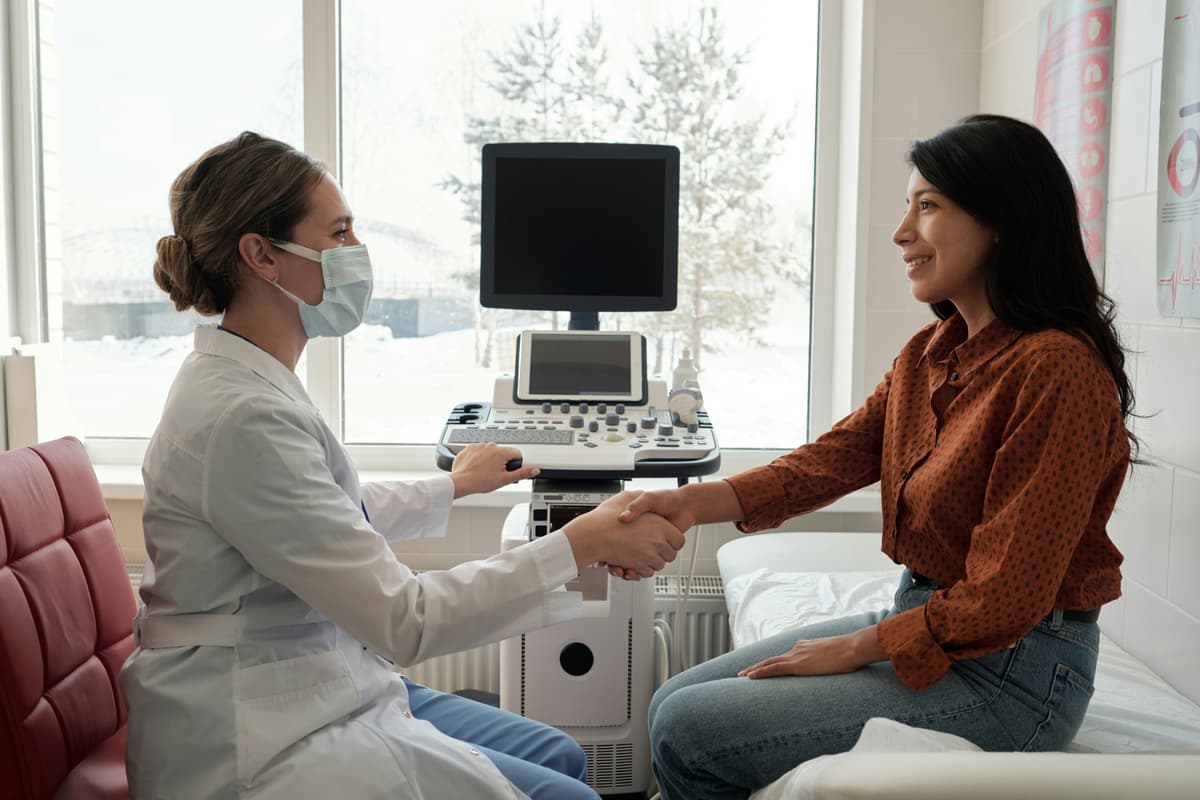
The erosion of bedside diagnosis
Artificial intelligence is revolutionizing medical diagnostics, analyzing millions of images in seconds and predicting disease before symptoms appear. Yet this technological leap coincides with a troubling trend: the steady decline of bedside medicine.
Physicians now spend a median of just two-and-a-half minutes per day at patients' bedsides, according to recent studies. That represents a dramatic shift from the 1960s, when up to three-quarters of clinical teaching occurred at the bedside. The healthcare AI market is projected to reach $427.5 billion by 2032, but the human element of medicine is shrinking in parallel.
Why it matters
Patient history gathered through conversation accounts for 70-80% of accurate diagnoses, with physical examination adding another 10-20%. As diagnostic confidence migrates from physician judgment to algorithmic recommendations, healthcare systems risk losing the empathy, reassurance, and trust that patients need—qualities AI cannot replicate. The shift also introduces new risks: missed clinical signs, diagnostic delays, and over-reliance on technology prone to algorithmic bias and incomplete datasets.
The cost of screen time
Technology has redirected physicians' attention from patients to computer screens, laboratory reports, and predictive algorithms. Excessive screen time during consultations reduces eye contact and active listening, potentially affecting patient satisfaction and treatment adherence.
Bedside diagnosis historically relied on what clinicians call "wisdom and craft"—careful observation, clinical reasoning, and the doctor-patient relationship built on faith and civic responsibility. AI excels at precision diagnosis but cannot comfort anxious patients, understand family dynamics, recognize emotional distress, or hold a patient's hand during difficult conversations.
Finding the balance
The challenge is not AI itself but how clinicians integrate it into practice. AI represents one of medicine's greatest advances, improving diagnostic precision and enabling personalized care. However, its rapid adoption has coincided with changing educational priorities and time pressures that push bedside skills to the margins.
Algorithms should augment clinical judgment, not replace hands-on examination. Physicians who carefully listen, observe, and examine patients—then thoughtfully incorporate AI into decision-making—can deliver care that is both scientifically rigorous and deeply human.
Preserving bedside skills while embracing technological innovation will ensure medicine remains both a science of precision and an art of healing. The incoming generation of physicians must learn that diagnostic tools are most powerful when combined with the irreplaceable human connection forged at the bedside.
These findings were reported by the World Economic Forum.
This is an original analysis by the Omega editorial team. Source reporting: AI Watch.
Want systems like this working for your business?
Book a Call