AI Detects Pancreatic Cancer 16 Months Before Doctors Can
Johns Hopkins surgeon says machine learning models identify deadly cancer patterns that take physicians decades to recognize, though clinical validation remains early.
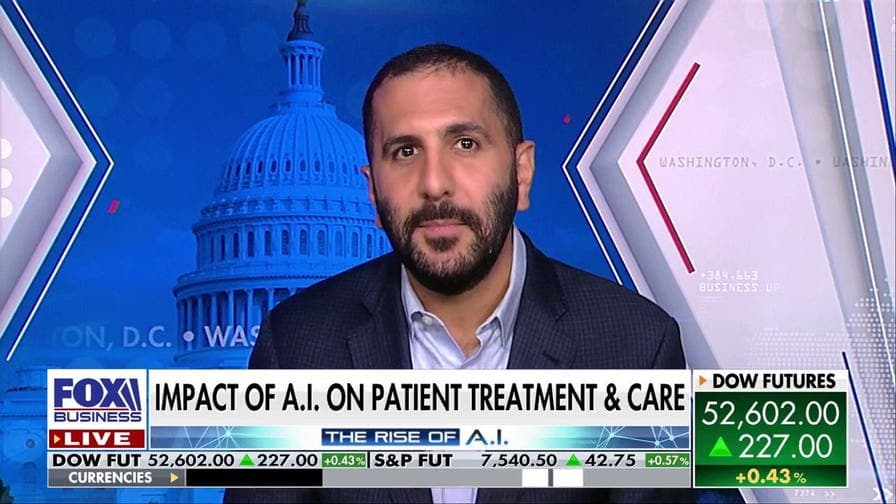
AI Shows Promise in Early Pancreatic Cancer Detection
Artificial intelligence models can identify signs of pancreatic cancer up to 16 months before human physicians detect the disease, according to Dr. Peter A. Najjar, a surgeon and vice president of clinical innovation at Johns Hopkins Health System. The finding represents a significant development for one of medicine's most challenging cancers to catch early.
Speaking on FOX Business, Najjar explained that AI systems recognize patterns in medical data that would otherwise require decades of clinical experience to identify. The technology's ability to flag cancer earlier could dramatically expand treatment options for patients facing a disease with limited therapeutic windows.
Why it matters
Pancreatic cancer carries a five-year survival rate of just 13% overall, largely because most cases are diagnosed after the cancer has already metastasized. When detected before spreading beyond the pancreas, that survival rate jumps to 44%. A 16-month head start on diagnosis could mean the difference between curative surgery and palliative care for thousands of patients annually. The disease has claimed prominent lives including Apple co-founder Steve Jobs, actor Patrick Swayze, and game show host Alex Trebek.
Beyond Detection: Drug Development and Clinical Efficiency
Najjar outlined additional applications where AI is reshaping cancer care. In drug discovery, machine learning accelerates the identification of molecules that bind to specific cancer-related proteins—a process traditionally requiring extensive laboratory work. By testing potential treatments through computer models first, researchers can move promising candidates to lab testing faster.
"Many cancer treatments are around figuring out which molecule binds to the right protein for a given cancer," Najjar said, noting that AI "dramatically speeds up drug development."
In clinical settings, AI-powered medical scribes are already improving day-to-day operations. These systems organize patient records before appointments and automatically document visits, reducing the administrative burden that pulls physicians away from direct patient interaction.
Tempered Expectations
Despite the technology's potential, Najjar emphasized that widespread clinical implementation remains distant. More real-world evidence is needed to validate AI's performance across diverse patient populations and healthcare settings.
"We absolutely need to move full speed ahead to bring this promise to our patients in the clinic," he said. "But it is still very early days."
The gap between research findings and routine clinical use reflects broader challenges in medical AI deployment, including regulatory approval processes, integration with existing healthcare systems, and the need to demonstrate consistent performance outside controlled research environments.
These details were first reported by FOX Business in an interview with Maria Bartiromo.
This is an original analysis by the Omega editorial team. Source reporting: AI Watch.
Want systems like this working for your business?
Book a Call