AI Designs First Synthetic Virus Genomes, Raising Bioweapon Fears
Stanford researchers used genome language models to create novel bacteriophages, demonstrating both therapeutic promise and dual-use security risks.
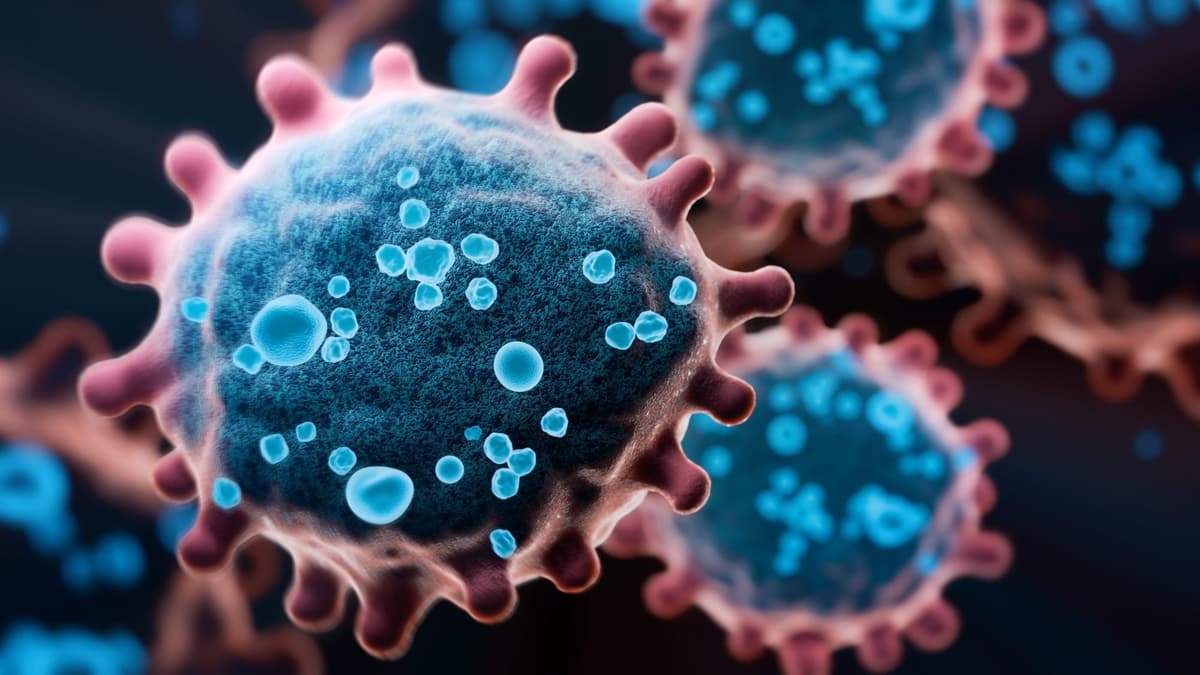
AI Creates Novel Viral Genomes From Scratch
Researchers at Stanford University and the Arc Institute have demonstrated that artificial intelligence can design complete genetic blueprints for viruses that don't exist in nature. Published in Science, the study shows AI-generated bacteriophages successfully destroying E. coli bacteria in laboratory conditions—a breakthrough that highlights both significant therapeutic potential and serious biosecurity concerns.
The research team used specialized AI models called Evo, which function similarly to large language models but are trained on genetic sequences rather than text. These genome language models learned patterns from massive datasets of biological sequences and used that knowledge to predict entirely new genetic codes. The result: functional viruses distinct from anything found in the natural world.
Why it matters
This represents a fundamental shift in synthetic biology's scale and accessibility. While the immediate application targets drug-resistant bacteria, the same technology could theoretically be used to engineer dangerous pathogens. As these AI models become cheaper and more widely available, the gap between beneficial medical research and potential bioweapon development narrows considerably.
Medical Promise and Dual-Use Dilemma
Bacteriophages—viruses that specifically target bacteria—offer hope for treating antibiotic-resistant infections, a growing global health threat. Beyond direct bacterial targeting, AI-generated viruses could serve as vectors for gene therapy, delivering beneficial genetic material to cells or correcting genetic errors with unprecedented precision.
Yet the same capabilities that enable precision medicine also create pathways for malicious use. Fr. Myles Sheehan, S.J., a physician and director of Georgetown's Pellegrino Center for Clinical Bioethics, and Laura DeNardis, professor and endowed chair in Tech, Ethics and Society, jointly addressed these concerns in an interview with Georgetown University.
The researchers deliberately constrained their work to viruses incapable of infecting eukaryotic cells—those with nuclei found in animals and plants. However, bad actors could potentially use similar techniques to engineer lethal pathogens or enhance the virulence of known dangerous viruses.
Current Safeguards and Regulatory Gaps
The Stanford team implemented multiple protective measures. They imposed guardrails on training data, excluding recipes for human-infecting viruses. Critically, they maintained a "human in the loop" between digital genome design and physical production, requiring sophisticated laboratory facilities to translate AI outputs into actual biological material.
These internal controls represent industry self-regulation, but comprehensive external oversight remains absent. The Georgetown ethicists point to existing frameworks for recombinant DNA and CRISPR gene-editing as potential models, emphasizing that regulating laboratories and human actors may prove more important than regulating the AI itself.
The Genie and the Bottle
The technology echoes familiar warnings about doing something simply because it's possible. While the Science paper demonstrates considerable ethical sensitivity, the knowledge is now public. Other researchers could apply these techniques carelessly or with deliberate harmful intent.
Balancing innovation against risk requires what the ethicists describe as careful development, stringent testing, and regulatory oversight—potentially establishing a paradigm for future AI-driven biological interventions. The alternative is allowing capability to outpace governance in a domain where mistakes or malice could have catastrophic consequences.
These insights were shared by Georgetown University faculty members in response to the Stanford and Arc Institute research first reported in Science.
This is an original analysis by the Omega editorial team. Source reporting: AI Watch.
Want systems like this working for your business?
Book a Call
