AI Data Centers Could Match Water Needs of 1.3 Billion People
New UN study reveals AI's environmental footprint extends far beyond carbon emissions to water, land, and e-waste challenges.
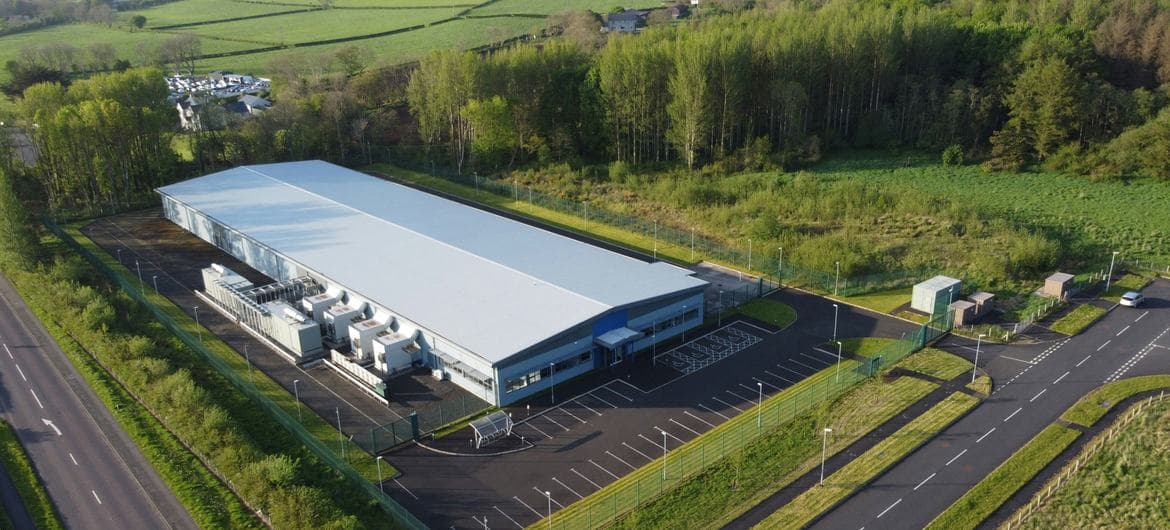
Artificial intelligence infrastructure is on track to consume resources at a scale that rivals entire nations, according to new research that challenges how the technology industry measures environmental impact.
By 2030, data centers powering AI systems could use 945 terawatt-hours of electricity annually—nearly triple the combined consumption of Pakistan, Bangladesh, and Nigeria, countries with more than 650 million residents. But a study from UN University reveals that energy use represents only one dimension of AI's environmental burden.
Beyond the carbon footprint
The research, first reported by UN News, identifies critical resource pressures that current sustainability frameworks largely ignore. AI-related water consumption could equal the basic annual domestic needs of 1.3 billion people by decade's end, while land requirements may exceed 14,500 square kilometers—roughly twice the Jakarta metropolitan area.
This multidimensional impact creates complex tradeoffs. Energy solutions considered environmentally friendly for carbon reduction can significantly increase water consumption and land use, particularly problematic in regions already facing resource scarcity.
Daily operations drive demand
Contrary to public focus on training large AI models, the study finds that routine usage accounts for 80 to 90 percent of total energy demand. One widely deployed AI service processes approximately 2.5 billion prompts daily, consuming hundreds of gigawatt-hours annually.
Resource intensity varies dramatically by task. Generating a single AI image requires more than a thousand times the energy of simple text classification, while video generation demands even greater resources. Efficiency improvements alone cannot offset rising consumption, as lower costs and better performance drive increased usage—a pattern known as the rebound effect.
Uneven distribution of costs
While AI benefits flow globally, environmental burdens concentrate in specific regions. Data centers already claim significant shares of national electricity in some countries, straining energy systems. Expanding facilities draw heavily on water supplies, sometimes during drought conditions.
The infrastructure is projected to generate up to 2.5 million tonnes of electronic waste annually by 2030, with much of the disposal burden falling on lower-income countries. Critical mineral extraction for AI hardware raises additional concerns about environmental degradation and social inequities.
Why it matters
More than 90 percent of AI-specialized computing capacity sits in just two countries—the United States and China—while over 150 nations lack significant domestic infrastructure. This concentration creates not only economic disparities but environmental injustice, as some countries bear resource costs without sharing in AI-driven growth benefits. The findings challenge technology leaders and policymakers to develop governance frameworks that account for AI's full environmental footprint before infrastructure expansion locks in unsustainable patterns.
A framework for responsible development
UN University researchers emphasize their findings argue not against AI itself but for urgent action to align development with planetary limits. Their proposed framework for responsible AI ecosystems includes transparency, efficiency by design, equity, lifecycle responsibility, global cooperation, and sustainable use principles.
Governments should integrate AI infrastructure into energy, water, and land-use planning, while companies must design systems minimizing resource consumption. Users can choose lower-impact applications where possible.
The report concludes that AI's future depends not only on technological innovation but on governance choices made today. Details were first reported by UN News based on the UN University study.
This is an original analysis by the Omega editorial team. Source reporting: AI Watch.
Want systems like this working for your business?
Book a Call
