AI Data Center Boom Drives Up Consumer Electronics Prices
Apple, Microsoft, and other manufacturers warn that competition for memory and storage chips is forcing them to raise prices on iPhones, gaming consoles, and more.
Major tech companies signal price increases ahead
Consumer electronics are about to get significantly more expensive, and executives across multiple industries are pointing to the same culprit: artificial intelligence infrastructure.
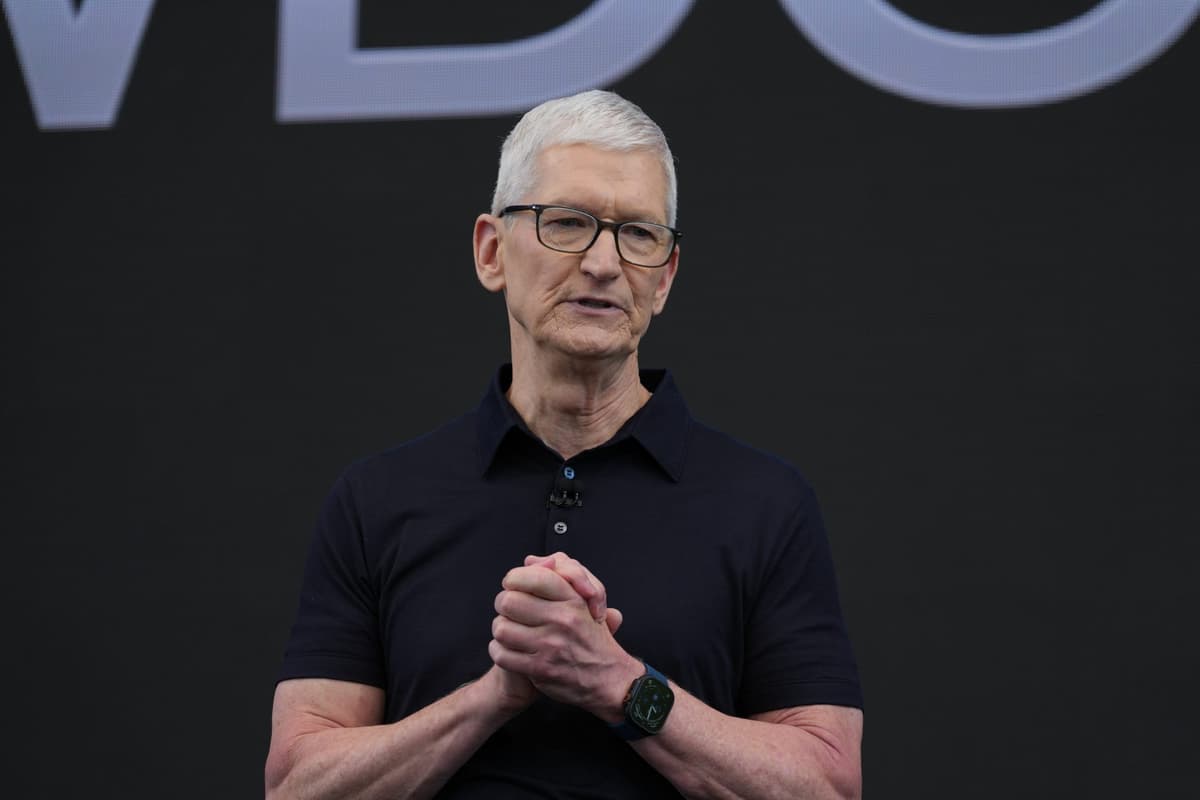
Apple CEO Tim Cook told The Wall Street Journal this week that iPhone price increases are "unavoidable" as memory and storage chips get diverted to AI data center construction. Big Tech companies spending billions on AI buildouts are absorbing supply that would otherwise go to consumer products, Cook explained.
The pattern extends well beyond smartphones. Asha Sharma, who leads Microsoft's Xbox division, described a "hardware component crisis" in an open letter earlier this year. Storage component prices her team paid in February 2025 were more than double what they paid the previous fall. Those costs doubled again by spring, and Microsoft projects prices will reach five times their 2023 levels by the 2027 holiday season. Memory costs are following the same trajectory, Sharma noted.
Warnings span multiple sectors
The price pressure isn't limited to consumer tech giants. Dell announced AI-related price hikes in December 2024, while Ford flagged concerns about chip costs in February — a reminder that modern vehicles depend heavily on semiconductor components.
In June, a coalition representing retailers, media companies, and medical supply manufacturers warned White House officials about "an urgent imbalance in the market for memory chips" that could trigger "significant and sustained near-term price increases for American households."
Why it matters
The AI infrastructure race is creating downstream economic effects that reach far beyond cloud computing bills. As hyperscalers compete for limited chip supply to power their data centers, manufacturers of everyday consumer products face a supply squeeze that forces difficult choices about margins and pricing. This represents a direct link between enterprise AI investment and household budgets — one that could persist as long as data center construction continues at its current pace.
Measuring the real impact
Quantifying AI's specific contribution to price increases will prove challenging. Apple won't release its next iPhone until fall 2025, making direct comparisons difficult when new models include different features. For vehicles, tariff policies may have larger price effects than chip costs.
Some observers remain skeptical that chip shortages fully explain the price hikes, noting that executives may have multiple motivations for raising prices. However, independent evidence confirms that AI-related chip costs are climbing sharply as data center demand surges.
These details were first reported by Business Insider.
This is an original analysis by the Omega editorial team. Source reporting: AI Watch.
Want systems like this working for your business?
Book a Call