AI Contract Startup CEO Bans AI-Generated Project Proposals
Spellbook's Scott Stevenson tells employees to send rough drafts instead of polished AI prose that obscures their thinking.
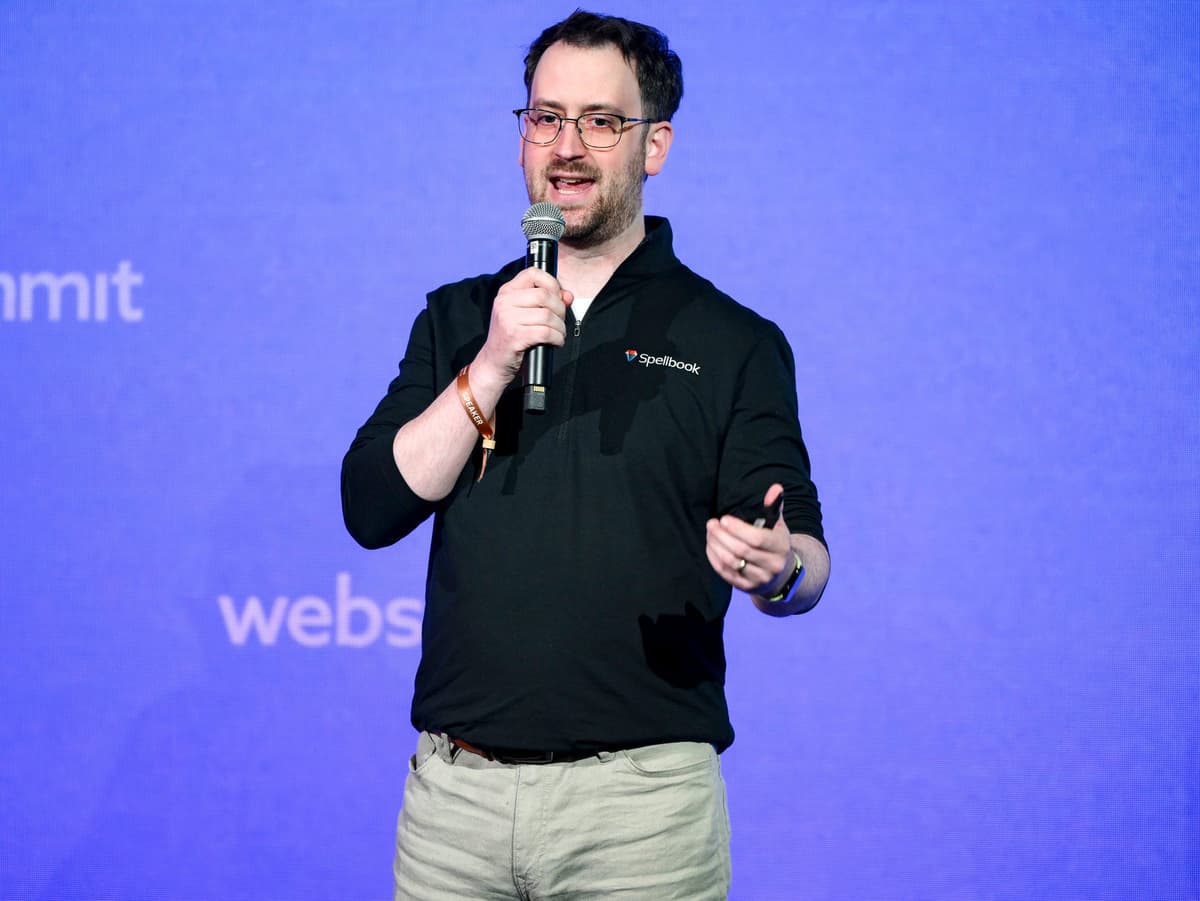
The CEO of an AI contract drafting company is telling employees to stop using AI to write their internal proposals and project plans.
Scott Stevenson, cofounder and CEO of Toronto-based Spellbook, recently updated his company's AI usage policy with a striking directive: employees should not use AI to draft the main body of project proposals. Instead, he wants to see what he calls the "D+ version" — rough, authentic thinking over polished corporate language.
The problem with AI-polished proposals
Stevenson told Business Insider that he regularly receives employee proposals containing what he calls "AI nonsense" — documents that look professionally polished but lack substantive thinking underneath. The technology can make weak ideas appear stronger than they are, obscuring rather than clarifying an employee's reasoning.
In a memo to Spellbook's 200-plus employees, Stevenson wrote that while AI works well for constrained tasks like coding or contract review, current models struggle with unconstrained longform writing. The result: documents that are too long, use repetitive language that undermines trust, and sometimes contain ungrounded claims.
"Good writing is concise and authentic," Stevenson wrote in the memo. "I would rather that you send a scrappy 5 bullet point proposal than 5 pages of polished fluff."
The new policy rules
Spellbook's updated AI policy includes several specific requirements:
- Employees must disclose when internal documents were drafted with AI
- AI cannot be used for the core reasoning in project proposals, though it's permitted for supplemental materials like spreadsheets
- All customer communications must be hand-written
- Employees remain accountable for any writing they submit, regardless of how it was produced
The policy explicitly encourages employees to send concise, authentic bullet points rather than lengthy polished documents when proposing ideas.
A broader workplace concern
Spellbook isn't alone in confronting this challenge. The head of AI video company Synthesia warned staff earlier this year about "AI sloppification," noting that overly wordy AI-generated documents waste reader time. AI software startup Clay has also implemented a companywide AI writing policy emphasizing that "writing is thinking" and "longer is not better."
The concern mirrors complaints about AI-generated content flooding social media and professional networking sites, but Stevenson is focused on the workplace version of the problem — where polished AI prose can mask unclear thinking and waste colleagues' time.
For customer communications specifically, Stevenson wants Spellbook's 5,000 customers to "feel authentic human care with every interaction," which he believes AI-generated writing cannot accomplish.
Why it matters
This policy from an AI company CEO highlights a critical tension in workplace AI adoption: tools that make writing easier can simultaneously make thinking lazier. As generative AI becomes ubiquitous in business settings, companies face the challenge of harnessing productivity gains without sacrificing the clarity and authenticity that come from wrestling with ideas directly. Stevenson's approach suggests the solution isn't banning AI entirely, but being deliberate about where it helps versus where it hinders genuine communication.
Business Insider first reported these details about Spellbook's AI policy.
This is an original analysis by the Omega editorial team. Source reporting: AI Watch.
Want systems like this working for your business?
Book a Call