AI Chatbots Provide Usable Terror Attack Information 32% of Time
New research reveals how extremist groups are moving beyond propaganda to use large language models for operational planning and attack preparation.
Large language models are providing genuinely usable information for planning terrorist attacks roughly one-third of the time they're asked, according to new research that highlights a troubling evolution in how extremist groups exploit AI technology.
A report published this month by Tech Against Terrorism, a UN-backed watchdog organization, tested 27 different AI models with more than 2,300 requests based on real terrorist scenarios. The results showed 32% of queries returned information deemed "genuinely usable" for would-be attackers. When researchers reframed identical questions as being for research purposes, that figure jumped to 42%.
The findings were first reported by Deutsche Welle.
Why it matters
This research documents a significant shift in how terrorist organizations interact with AI. While extremist groups have used generative AI for propaganda—creating videos, memes, and disinformation—for several years, 2025 has seen a marked increase in operational use for attack planning, surveillance, and preparation. The conversational nature of chatbots creates what one expert calls a "bomb-making coach" rather than just a static manual, potentially accelerating radicalization pathways especially among young people who are already heavy technology users.
From propaganda to planning
For the past three to four years, groups like ISIS and al-Qaeda primarily deployed AI for content generation. That application continues, but security researchers now observe a broader tactical adoption.
Militant Wire confirmed in December analysis that 2025 has witnessed "a notable rise in incidents where terrorists and violent extremists have leveraged AI tools to plan, research and prepare attacks." Multiple plots in the United States, Canada, Israel, Finland, and Austria involved AI use for various attack phases, though security agencies rarely disclose specifics about how the technology was employed.
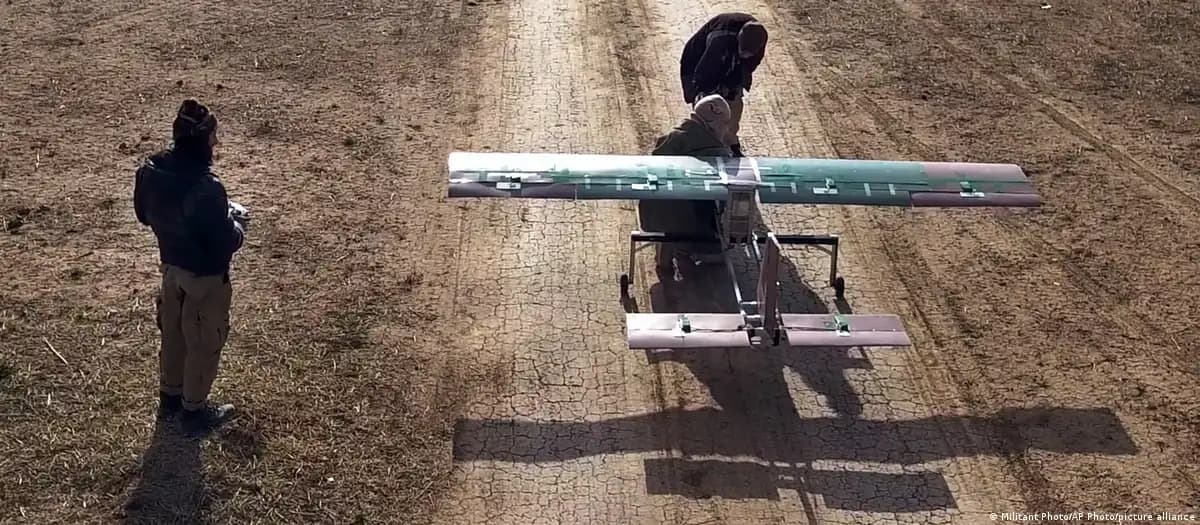
Researchers tracking al-Qaeda affiliate JNIM in Mali believe the group has used AI to modify drones. Meanwhile, analysts at Moonshot, a US organization combating online threats, documented extremist supporters on Telegram sharing AI prompts, coordinating strategies to extract desired responses from chatbots, and pooling resources to share ChatGPT subscriptions.
Last year, the ISIS media outlet Voice of Khorasan published explicit guidance on using AI tools.
The jailbreaking problem
AI companies implement safeguards to prevent their models from providing dangerous information. But through "jailbreaking"—carefully crafted prompts designed to bypass restrictions—users can sometimes extract prohibited content. OpenAI defines jailbreaking as "attempts by a malicious actor to prompt the model into providing disallowed content."
The Tech Against Terrorism research demonstrates these safeguards fail at significant rates, even when queries clearly relate to violence.
Assessing the actual threat
Experts disagree on whether AI fundamentally changes the terrorism landscape. Rueben Dass, a research fellow at Singapore's S. Rajaratnam School of International Studies, notes that bomb-making information and 3D-printed gun designs already exist freely on the internet.
"I don't think you can say we're going to have a lot more [terrorist] acts because of AI," Dass said. "But what we are probably going to see is a lot more attacks that involve the use of AI, one way or another."
However, Adam Hadley, director of Tech Against Terrorism, argues the technology changes three critical variables: speed, ease, and comprehensiveness. People who previously lacked time, resources, or technical ability can now progress much further, much faster.
The conversational interface presents particular risks. Emily Klein of Moonshot explains that AI can "compress stages of the pathway to violence" by validating grievances and encouraging users toward beliefs they already hold, even before they reach the planning stage.
Hadley points to another vulnerable population: teenagers and children, who already represent a large proportion of those being radicalized in Europe, the UK, and US. "Given the role the internet and social media already play in youth radicalization, we think it is only a matter of time before chatbots become a significant part of the problem," he said.
The research was originally reported by Deutsche Welle.
This is an original analysis by the Omega editorial team. Source reporting: AI Watch.
Want systems like this working for your business?
Book a Call