AI CEOs Join G7 Summit as Export Controls Reshape Alliances
OpenAI, Anthropic, and Google DeepMind leaders attend France meeting amid U.S. restrictions on advanced models.
Leaders from the world's most influential AI companies are meeting with G7 heads of state in Evian, France, marking a significant shift in how governments engage with the technology sector on matters of national security and digital policy.
Sam Altman of OpenAI, Dario Amodei of Anthropic, and Demis Hassabis of Google DeepMind are among roughly a dozen tech executives attending a lunch meeting at the summit Wednesday, according to details first reported by CNBC. The gathering also includes leaders from Mistral, Cohere, Salesforce, Meta, and AI startups from India, Japan, Italy, Germany, and the U.K.
Why it matters
The private sector's presence at a traditionally state-led forum reflects a fundamental power shift. Governments seeking to regulate AI or make international commitments now require buy-in from the handful of companies actually building frontier systems. This dynamic becomes especially pronounced as the U.S. begins restricting AI exports to allies, forcing nations to reconsider assumptions about technology access and sovereignty.
Export controls drive urgency
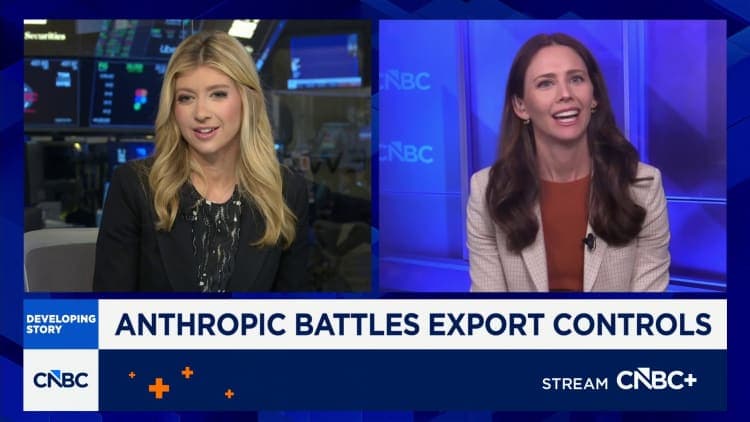
The summit takes place against the backdrop of ongoing negotiations between Anthropic and the U.S. administration. Washington recently imposed export controls on Anthropic's Fable 5 and Mythos 5 models over national security concerns, a move that has reverberated across the G7.
"U.S. export controls on Anthropic's models have 'changed everything,'" Emerson Brooking, senior fellow at the Atlantic Council, told CNBC. "Multiple G7 nations have previously alluded to the need for sovereign AI investment, but there was always an assumption that this would take place alongside access to the U.S. tech stack. Now the U.S. has indicated a willingness to cut off the G7 and even treaty allies from certain AI capabilities."
The release of models with advanced cyber capabilities, including Anthropic's Mythos and OpenAI's GPT-5.5 Cyber, has intensified concerns about digital security vulnerabilities. Cameron Kerry, a visiting fellow at the Brookings Institution, described the Mythos release as an "inflection point" that prompted the Trump administration to consider tighter regulation.
Voluntary commitments expected
Discussions at the summit will cover frontier AI risks, infrastructure, sovereignty, and child safety online, according to the Élysée Palace. OpenAI indicated earlier this month that it expects tech companies to reach a set of voluntary commitments during the gathering.
Jessica Brandt, senior fellow for technology and national security at the Council on Foreign Relations, told CNBC that firms likely anticipate "a package of voluntary commitments — youth safety, frontier risk in cyber and bio — pledges that are likely to become the de facto global baseline."
For the companies, the summit represents a chance to shape policy before binding regulations emerge. "The frontier labs want to shape this debate before any binding rules exist," Brooking said.
The details were first reported by CNBC.
This is an original analysis by the Omega editorial team. Source reporting: AI Watch.
Want systems like this working for your business?
Book a Call