AI Cameras on Seoul Bridges Achieve 99% Suicide Rescue Rate
South Korea deploys AI surveillance to identify people in distress on the Han River, cutting response times to under five minutes.
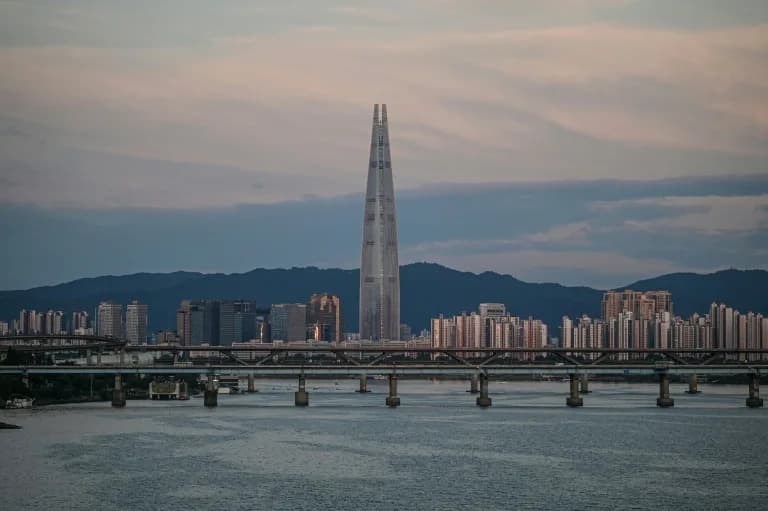
AI surveillance transforms bridge safety in Seoul
Artificial intelligence cameras monitoring 17 bridges across Seoul's Han River have achieved a rescue rate exceeding 99 percent, a dramatic improvement from 56 percent in 2012, according to Kim Jun-young, chief of the Hangang Bridge CCTV Integrated Control Center.
The AI system flags potential suicide attempts when individuals linger in specific locations, enter restricted zones, or use dedicated crisis phones installed on the bridges. Emergency crews can typically reach most bridges within five minutes—the critical intervention window that often determines whether someone lives or dies.
Last year, nearly 900 cameras identified more than 1,200 incidents across the waterway. Despite the system's effectiveness, approximately eight people could not be saved, Kim told AFP, which first reported these details.
Why it matters
While AI surveillance demonstrates measurable success in crisis intervention, technology alone cannot address the underlying mental health epidemic. South Korea's suicide rate climbed above 29 deaths per 100,000 people in 2024—the highest since 2011—making it the leading cause of death for people aged 10 to 49. The contrast between technological capability and systemic cultural challenges highlights the limits of surveillance-based solutions to complex social problems.
The human cost behind the statistics
Falling from a bridge 30 meters high produces an impact equivalent to a car crash at 60 kilometers per hour, Kim explained. Rescuers face additional challenges when people actively resist help or flee when they hear approaching sirens.
Cartoonist Smiling Stone Hwang, 33, survived after first responders intervened. Following her father's suicide in 2014, she inherited his debts and spent years unable to hold a bank account while working multiple cash-paying jobs. "Suicide didn't feel like a particularly tragic choice. It felt like a rational one," Hwang said.
Yoo Jae-hyun, director of suicide prevention at Seoul St. Mary's Hospital, noted that many survivors describe feeling like burdens to others. People in their twenties represent the largest group treated in emergency rooms after suicide attempts. Relentless academic pressure, demanding work culture, and stigma around seeking help leave many ill-equipped to manage setbacks.
Technology spreads beyond South Korea
Japanese company Asilla has developed similar AI surveillance tools that detect unusual behavior patterns, including falls or individuals preparing to jump from heights. The system learns from cameras in shopping centers and transit stations. In two separate incidents, it alerted guards to men on rooftops who were successfully talked down, according to chief product officer Yuka Suzuki.
Suzuki emphasized the technology cannot reduce Japan's suicide rate—the highest in the G7—on its own, and stressed it should supplement rather than replace human support. "It's still often difficult to provide proper mental health support," she said, though reducing even a small number of sudden deaths holds significance.
President Lee Jae Myung has called South Korea's suicide crisis "a disgrace on the world stage." The Han River AI system, operational since 2021, represents one technological response to a problem that demands broader cultural and systemic solutions.
These details were first reported by AFP.
This is an original analysis by the Omega editorial team. Source reporting: AI Watch.
Want systems like this working for your business?
Book a Call