AI Boosts Fossil Fuel Output More Than Renewables, Study Finds
Productivity gains from artificial intelligence in oil and gas extraction outweigh climate benefits in clean energy, adding up to 1.8 gigatonnes of carbon annually.
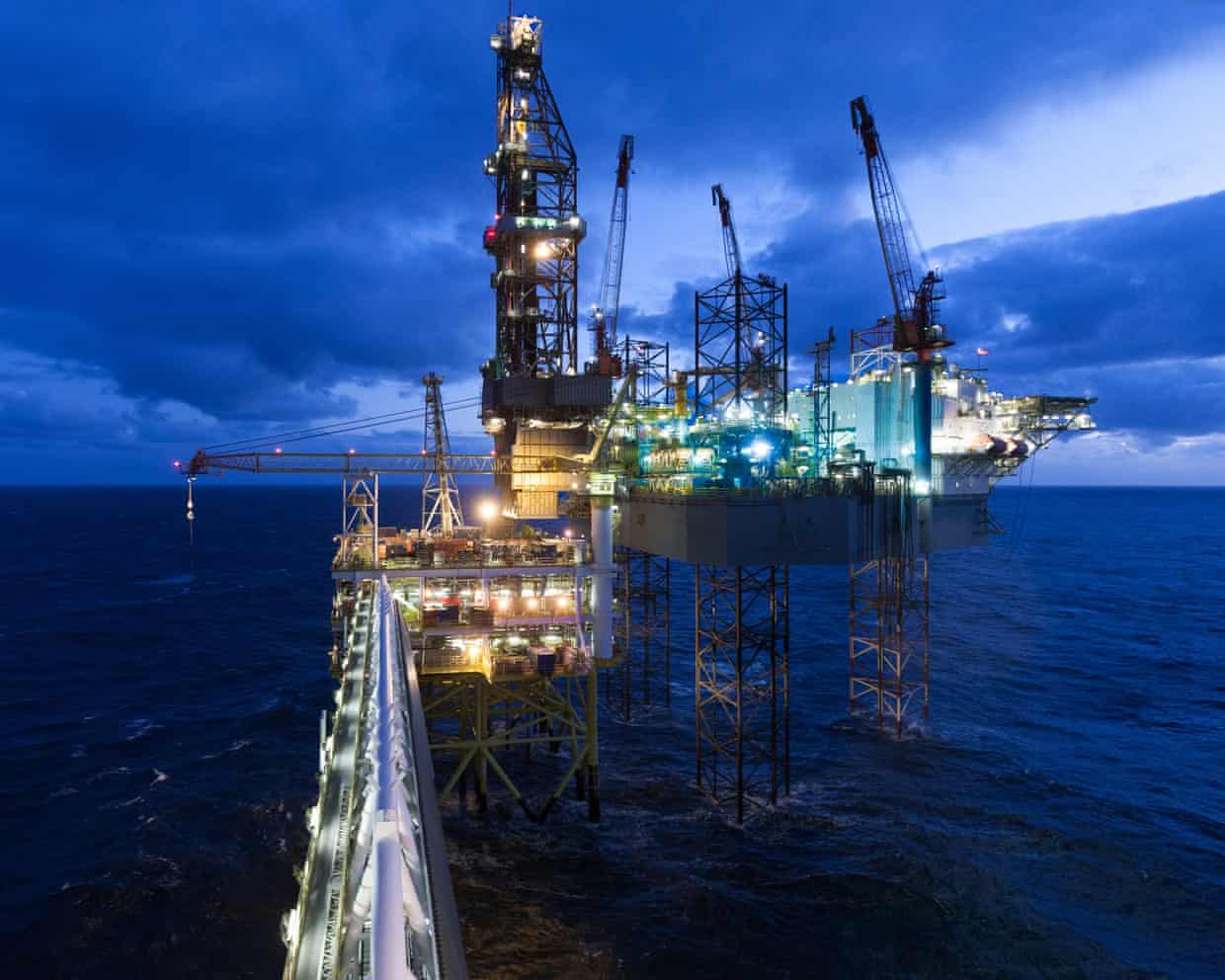
Artificial intelligence is accelerating fossil fuel extraction faster than it's advancing renewable energy, resulting in a net increase in global carbon emissions, according to new research that examined AI's impact across the entire power sector.
Researchers modeled AI's technical potential to enhance both clean energy generation and fossil fuel production across 64 scenarios. In every case, net annual carbon pollution increased by 0.47 to 1.8 gigatonnes — equivalent to roughly 1-5% of the energy sector's total yearly emissions.
The productivity paradox
The study breaks new ground by accounting for AI's role in making oil, gas, and coal extraction more efficient — a factor previous research largely ignored while focusing on benefits like reducing renewable energy downtime and optimizing electricity grids.
"What most studies have done so far is compare the datacentre energy use with the emissions savings AI has," said Lynn Kaack, an assistant professor at the Hertie School who reviewed the research. "They completely omit this picture of AI causing increases in emissions."
The analysis found emissions only decreased in scenarios where AI adoption remained limited in the fossil fuel sector. When both clean and conventional energy operations deployed AI at similar rates, renewable productivity gains needed to exceed fossil fuel improvements by at least four times just to break even on emissions.
Industry adoption already at scale
Holly Alpine, study co-author and co-founder of the Enabled Emissions campaign group, noted the research used conservative assumptions about equal AI adoption rates. In reality, fossil fuel applications are already deployed at commercial scale with documented contracts and operational results, while renewable applications remain largely experimental.
The International Energy Agency estimates AI could boost technically recoverable oil and gas reserves by 5% and reduce deepwater offshore project costs by 10%. Industry executives have embraced these capabilities enthusiastically, with some comparing the impact to "the next fracking boom."
Saudi Aramco reported last year it had embedded AI "in everything," increasing both productivity and well counts. This summer, Equinor credited AI and new seismic technologies with 27 discoveries on the Norwegian continental shelf, including its largest operated discovery of 2025.
Rystad Energy projected in May that digitalization and AI would generate nearly $500 billion in cumulative value for fossil fuel exploration and production companies between 2026 and 2030 through more efficient operations, increased production, and faster development timelines.
Why it matters
This research challenges the prevailing narrative that AI will accelerate the clean energy transition. For business leaders investing in AI-driven sustainability initiatives, the findings suggest that without deliberate constraints on fossil fuel applications, the technology may worsen climate outcomes even as it improves renewable efficiency. The productivity gains AI enables in oil and gas extraction generate at least three times the emissions currently attributed to AI datacenters themselves.
Ketan Joshi, an independent climate analyst not involved in the study, said the AI sector is "fundamentally hungry for fossil fuels" in ways that extend beyond datacenter energy consumption. "Simply asking companies to throw a few scraps of cash at renewable projects is not enough to ensure the industry operates safely," he said.
The researchers cautioned their results represent a "directional and structural finding, not a precise forecast," though the relationship held across every scenario and sensitivity test they conducted.
These findings were first reported by The Guardian.
This is an original analysis by the Omega editorial team. Source reporting: AI Watch.
Want systems like this working for your business?
Book a Call
