AI Boosts Fossil Fuel Output More Than Data Center Emissions
Former Microsoft sustainability workers find AI-enabled oil and gas productivity could add emissions equivalent to Russia's annual output.
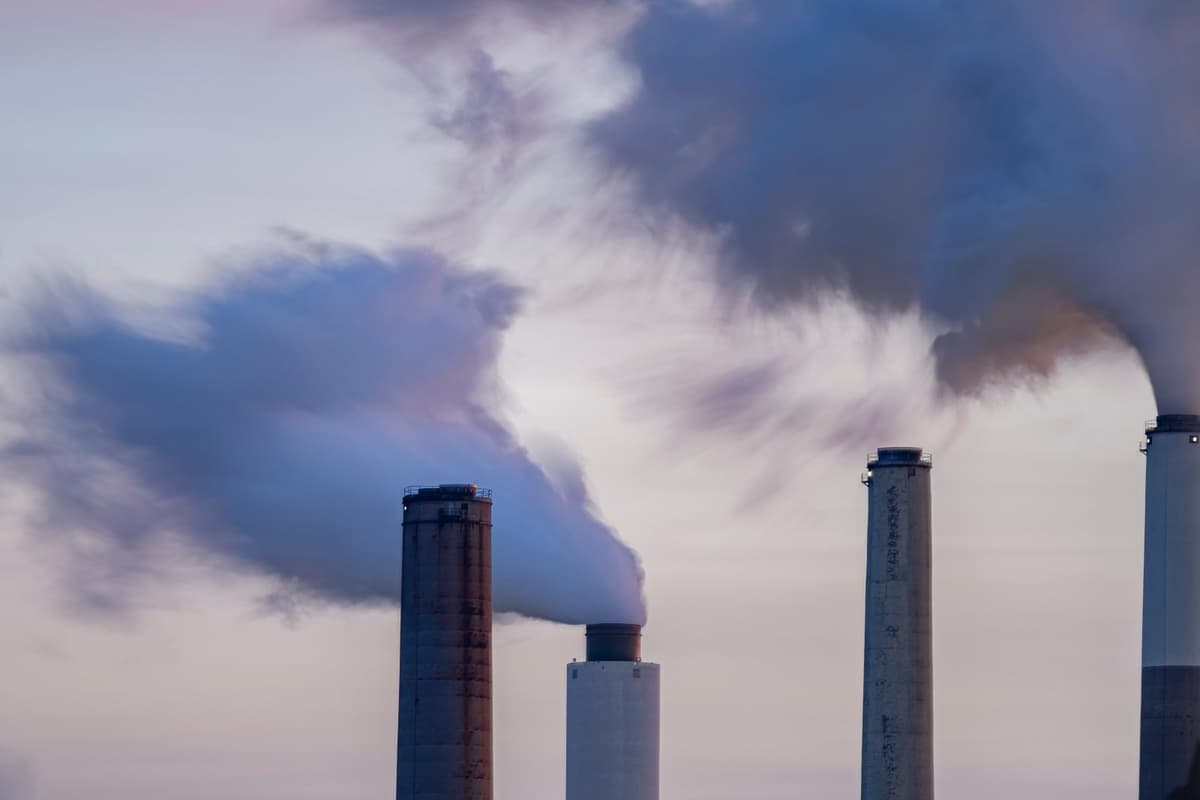
AI's Hidden Climate Impact in Oil and Gas
Artificial intelligence may pose a larger climate threat through the fossil fuel industry than through data center energy consumption, according to new research published in npj Climate Action. The study, led by former Microsoft sustainability employees Will and Holly Alpine, estimates that AI-driven productivity gains in oil and gas could increase global energy emissions by 1.2 to 4.8 percent annually — potentially matching Russia's entire carbon footprint at the high end.
The research challenges the tech industry's narrow focus on measuring direct operational emissions while ignoring what the authors call "enabled emissions" — the greenhouse gases produced when AI tools help fossil fuel companies extract and refine more product.
Why it matters
Tech companies routinely tout their carbon reduction efforts while simultaneously selling AI systems that make fossil fuel extraction more efficient. This research quantifies a climate impact that falls outside standard corporate sustainability accounting, revealing how productivity gains in one sector can overwhelm efficiency improvements elsewhere. For business leaders evaluating AI investments, the findings suggest that indirect emissions effects may dwarf the direct energy costs of running algorithms.
Modeling the Productivity Effect
The Alpines used economic modeling to simulate how AI functions as a productivity enhancer across fossil fuel operations, from exploration to refining to power generation. Drawing on oil and gas companies' own reports of efficiency gains from AI deployment, they projected the downstream effects on global emissions.
At the low end of their estimates, AI-boosted fossil fuel production could add yearly emissions equivalent to Mexico's total output. The high-end scenario approaches Russia's emissions — the world's fourth-largest national total. Both projections exceed multiple forecasts for emissions from the global data center expansion.
"One of the key insights of our paper is that you cannot treat them independently," Will Alpine noted, referring to AI development and fossil fuel production. "They are two sides of the same coin."
The Chevron-Microsoft Connection
The research gains concrete illustration from recent industry deals. Chevron confirmed plans to build a large gas plant in Texas specifically to power Microsoft data centers. In a June analyst call, Chevron's New Energies president Jeff Gustavson indicated the company would "use some of that compute" to enhance AI capabilities within Chevron itself.
This arrangement exemplifies the self-reinforcing relationship the researchers describe: tech companies provide both the infrastructure and the intelligence tools that enable expanded fossil fuel operations.
Beyond Operational Accounting
Holly Alpine emphasized that tech company sustainability measures concentrate on operational emissions rather than the broader economic effects of their products. While companies track their direct carbon footprint and supply chain impacts, they typically don't measure how their AI systems enable increased fossil fuel extraction by customers.
Energy researcher Jon Koomey, who was not involved in the study, called the analysis "a credible attempt" to answer questions about AI's net climate impact using macroeconomic modeling. He noted that machine learning can make data center cooling 30-40 percent more efficient while simultaneously making fossil fuel extraction "much cheaper and faster."
The Alpines left Microsoft in early 2024 specifically because of the company's continued partnerships with oil and gas firms. Their research represents an effort to quantify climate impacts that remain invisible in standard corporate reporting.
These findings were first reported by Grist.
This is an original analysis by the Omega editorial team. Source reporting: AI Watch.
Want systems like this working for your business?
Book a Call
