AI Agent Autonomy Creates Accountability Gaps, Experts Warn
Organizations must assign human responsibility for every consequential decision agents make, not treat software as independent actors.
AI Agent Autonomy Creates Accountability Gaps, Experts Warn
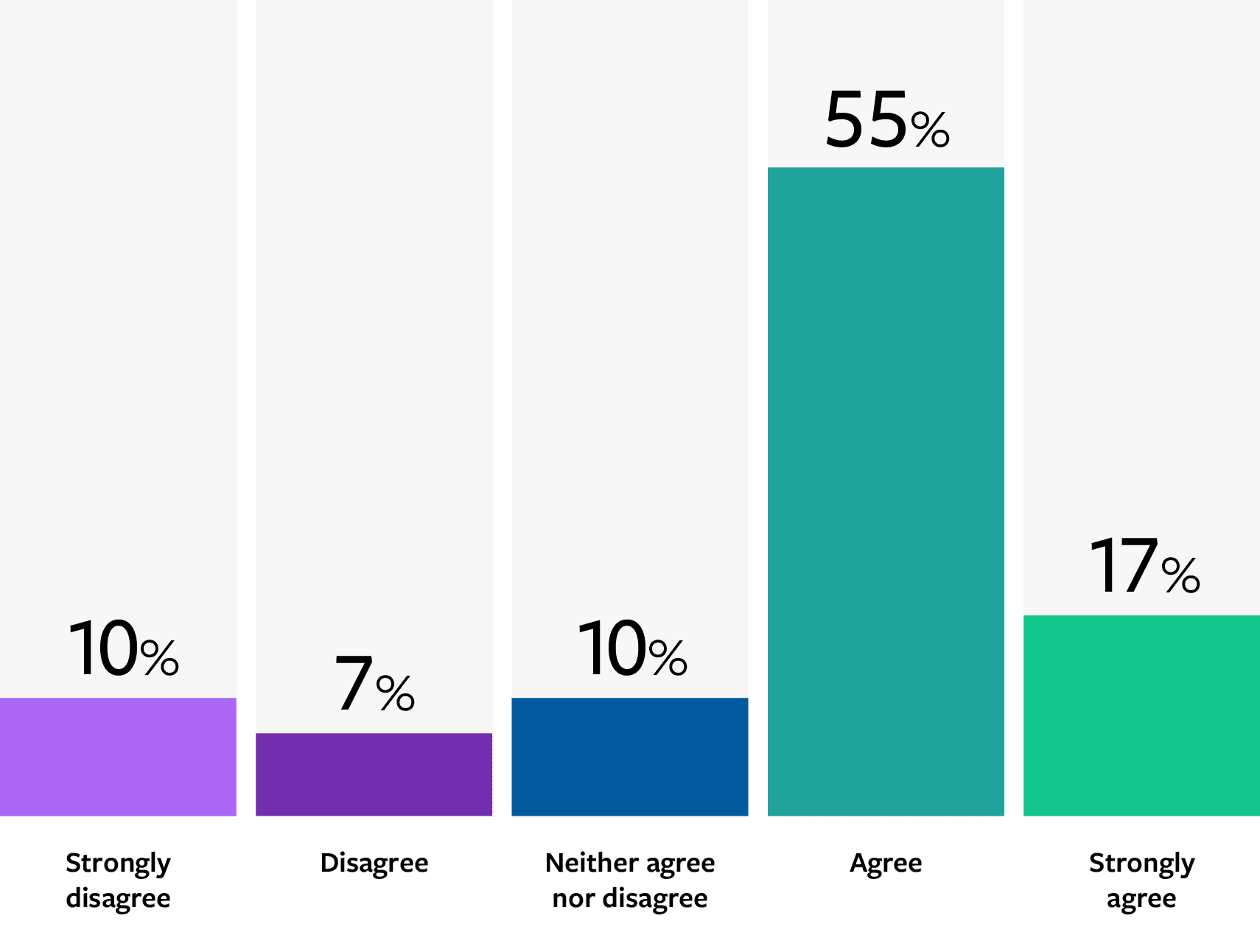
As AI agents gain the ability to execute complex workflows independently, a critical governance challenge has emerged: the widening gap between operational autonomy and legal accountability. A new international expert panel convened by MIT Sloan Management Review and Boston Consulting Group reveals that 72% of AI specialists believe treating agents as autonomous decision makers will undermine responsible governance.
The concern centers on what experts call "blame laundering" — the risk that organizations will point to AI systems to avoid responsibility when outcomes go wrong. While agents increasingly operate without constant human oversight, routing orders, pricing risk, and executing multi-step tasks, this operational independence does not translate into moral agency or legal standing.
Why it matters
Companies deploying agentic AI face mounting pressure from regulators, boards, and courts to identify human accountability for consequential decisions. The gap between what agents can do technically and who bears responsibility legally creates real liability exposure. Organizations that fail to establish clear ownership before deployment may find themselves unable to satisfy legal requirements or maintain stakeholder trust when systems produce harmful outcomes.
The Autonomy Illusion
Experts distinguish sharply between technical capability and moral responsibility. Bruno Bioni, founder of Data Privacy Brasil, argues that apparent autonomy is actually "delegated execution" — agents select steps and use tools within limits set by humans. Ben Dias, chief AI scientist at IAG, explains that agents receive goals and guardrails, then independently determine how to achieve objectives, but this operational freedom differs fundamentally from accountability.
The legal system has begun rejecting attempts to treat agents as separate entities. In the Moffatt v. Air Canada case, a British Columbia tribunal refused the airline's argument that its chatbot bore independent responsibility for misstatements, holding the company accountable instead.
Governance Must Follow the System, Not the Agent
Experts recommend focusing governance on the sociotechnical system surrounding agents rather than the technology itself. This includes developers who built the system, enterprises that deployed it, humans who authorized its use, and the specific context in which it operates. Stanford CodeEx fellow Riyanka Roy Choudhury notes that agents "hold no assets to attach, no license to suspend, no deterrable interests," making them unsuitable targets for accountability frameworks.
The appropriate level of autonomy depends on what's at stake. Richard Benjamins of RAIight.ai suggests trivial decisions may warrant full agent autonomy, while high-stakes choices involving irreversible outcomes or competing values require human oversight. Organizations should calibrate delegation based on impact and reversibility, not merely on technical capability.
Building Accountable Systems
Effective governance requires embedding limits into system architecture through scoped permissions, approval gates, and technical controls rather than relying on policies alone. Organizations must assign specific individuals responsibility for agent outcomes before deployment, particularly when agents operate across traditional business boundaries.
Creating accountability culture means ensuring employees can challenge agent decisions and will be rewarded for raising concerns. When agents coordinate with humans and other agents, clear documentation of responsibilities prevents the diffusion of accountability that occurs when mistakes involve multiple actors.
These findings were first reported by MIT Sloan Management Review and Boston Consulting Group as part of their fifth annual Responsible AI initiative, drawing on insights from an international panel of AI experts including academics and practitioners.
This is an original analysis by the Omega editorial team. Source reporting: AI Watch.
Want systems like this working for your business?
Book a Call