$68 Billion in U.S. Data Center Projects Stalled by Local Opposition
Community resistance blocked or delayed 45 facilities between April and June as concerns mount over AI infrastructure's environmental and economic impact.
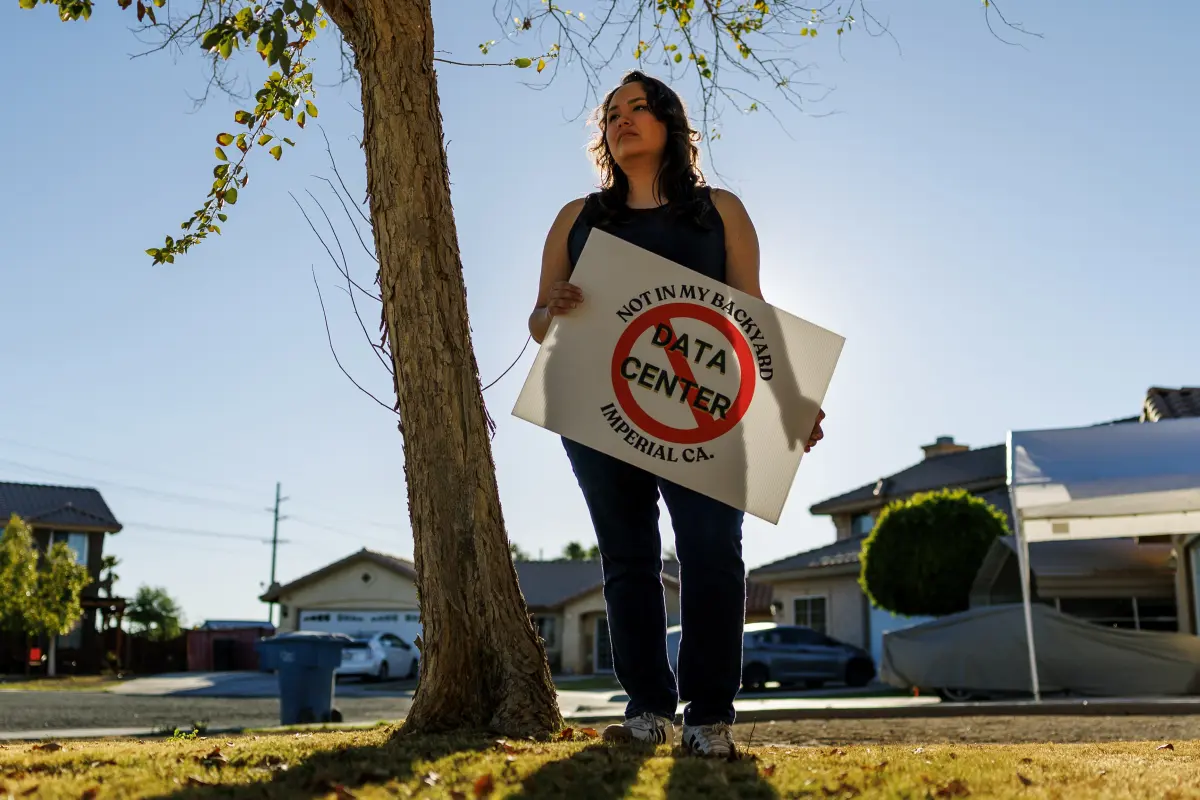
Grassroots resistance slows AI infrastructure boom
Local opposition has put $68 billion worth of U.S. data center projects on hold, according to new research that quantifies growing public resistance to the infrastructure powering artificial intelligence expansion.
Data Center Watch, a research initiative from AI intelligence firm 10a Labs, tracked 45 data center projects that faced delays or outright blocks from community pushback between April and June this year. The figure represents more than half of all new large-scale developments the group began monitoring during that period, according to a report first provided to Bloomberg News.
The resistance spans nearly the entire country, with 843 opposition groups now active across 49 states—only Hawaii lacks organized pushback. Communities are increasingly enacting construction moratoriums before developers can even submit permit applications, while 30 state legislatures introduced or adopted new rules governing data center siting, electricity usage, and water consumption.
Why it matters
The scale of local resistance reveals a significant friction point in the race to build AI infrastructure. While tech giants argue these facilities are essential for competing globally—particularly against China—communities are rejecting the trade-offs of environmental strain and resource depletion. This tension could reshape where and how quickly AI computing capacity expands, potentially affecting the pace of AI development itself and forcing the industry to address sustainability concerns more seriously than voluntary commitments have achieved.
Bipartisan backlash gains momentum
The opposition crosses political lines, with critics arguing that data centers harm local environments and drain electricity and water resources to fuel AI systems that many fear will eliminate jobs. Tech companies including Amazon, Meta, Microsoft, and Alphabet—the major "hyperscalers"—maintain these facilities are necessary to develop transformative AI capabilities and maintain technological leadership.
President Donald Trump has characterized opposition to data centers and AI advancement as a "sick conspiracy," claiming "the only one that is happy about it is China."
Public figures and social media are amplifying resistance efforts. One petition opposing a Tennessee project collected more than 500,000 signatures on Change.org during the second quarter, accounting for over one-third of all data center-related petition signatures on the platform during that period, Data Center Watch reported.
Global pattern emerges
The phenomenon is spreading internationally. For the first time since beginning its research two years ago, Data Center Watch documented protests against data centers outside the United States, with organized opposition appearing across European nations, Australia, South Africa, and other regions.
"As with many other trends, the U.S. has generally been at the forefront, but the phenomenon is increasingly becoming global," said lead analyst Miquel Vila. "We anticipate that this will just become more prominent as data center development expands across the globe."
The value of disrupted projects fluctuates significantly by quarter. The first three months of this year saw 75 cases worth approximately $130 billion facing opposition, compared to 45 projects valued at $68 billion in the second quarter.
The details were first reported by Matt Purnell for Bloomberg News.
This is an original analysis by the Omega editorial team. Source reporting: AI Watch.
Want systems like this working for your business?
Book a Call