26% of Executives Found AI Errors After Public Release
A Workiva survey reveals dangerous overconfidence in unreviewed AI output despite poor data quality across organizations.
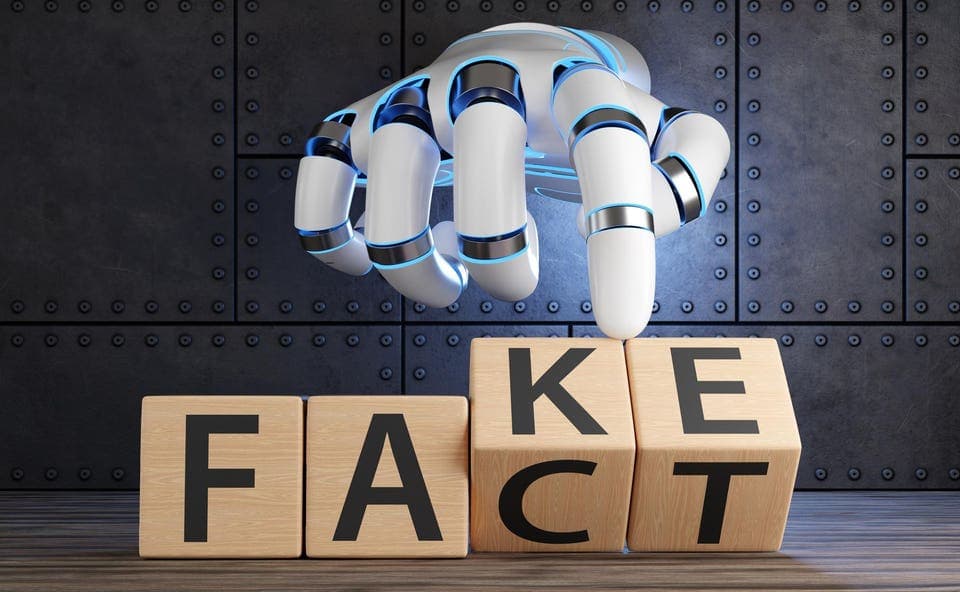
More than one in four senior executives have discovered AI-generated errors only after those outputs reached their board of directors or external audiences, according to a new Workiva survey that exposes a troubling gap between confidence and competence in corporate AI adoption.
The 2026 Midyear Executive Benchmark Survey found that 26% of senior leaders reported internal AI audits catching errors after public release. Yet 84% of those same executives said they would trust AI output in an annual report without human review—despite only 11% saying their organization's data quality is adequate for AI use.
Why it matters
This disconnect creates material risk for public companies. Nearly all institutional investors (96%) now factor AI governance into investment decisions, with 62% calling it "very important." Meanwhile, 89% express concern about AI accuracy in corporate disclosures. Companies that fail to bridge the gap between executive overconfidence and actual AI governance face investor skepticism, regulatory scrutiny, and potential restatements.
The confidence gap widens by rank
The survey revealed a striking pattern: confidence in unreviewed AI output increases with distance from the actual work. Executives showed 39% confidence in unreviewed AI output, while practitioners who handle underlying data registered only 29% confidence.
Steve Soter, vice president and industry principal at Workiva, frames practitioner caution as competence rather than pessimism. Those closest to AI implementation "develop a better understanding of its risks," he noted, adding that "one of the factors that indicate rising maturity is the ability to ask better questions."
That leaves boards—the ultimate disclosure decision makers—holding what Soter calls dangerously uninformed confidence.
Current disclosures fall short
A Conference Board and ESGAUGE analysis found that while 72% of S&P 500 companies flagged at least one material AI risk last year, only 2% cited inaccurate outputs as a concern. This omission stands in stark contrast to investor priorities and creates what Soter describes as "risk-laden reporting mess."
The challenge intensifies because generic large language models "can produce polished, inaccurate outputs that give an illusion of quality," Soter explained. "The most dangerous errors aren't the ones that are obviously wrong. They're the ones that look right, sound authoritative, and nobody thinks to question."
Three immediate actions for boards
Soter recommends audit committees stop accepting general assurances and start requiring evidence. His framework includes three specific steps:
First, trace every point where AI touches financial reporting and verify each output can be traced to source data. The standard: Can the CFO explain to an investor, auditor, or regulator exactly how a number was produced?
Second, convert verbal assurance into documentation showing what was reviewed, by whom, and against what standard. Review checkpoints and validation steps separate isolated errors from design failures that trigger restatements.
Third, close investor signal gaps by deliberately deciding what risk factors, footnotes, and earnings commentary convey about AI governance. Omissions erode stakeholder confidence even without a standardized disclosure framework.
The stakes are particularly high for CEOs and CFOs who personally certify quarterly and annual reports. Existing certification requirements did not envision the "black box" risk of AI reliance, yet the rules haven't changed—only the complexity of demonstrating compliance.
These findings were first reported by Noah Barsky in Forbes, drawing on Workiva's 2026 survey data.
This is an original analysis by the Omega editorial team. Source reporting: AI Watch.
Want systems like this working for your business?
Book a Call